What The ‘Super Committee’ Might Mean For Medicare
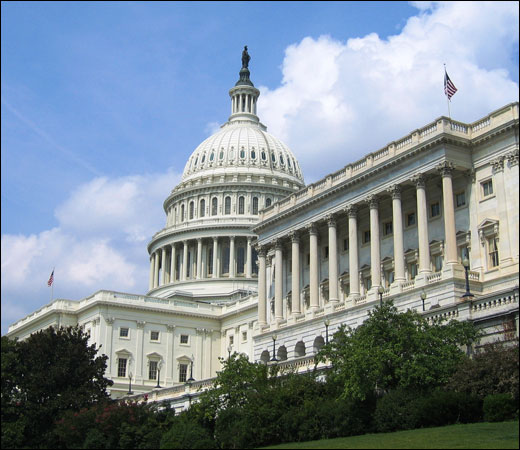
Have you put the summer’s deficit reduction agreement and the upcoming “super committee” out of your mind? With Labor Day approaching, it’s time to pay attention again.
The panel’s deliberations, expected to start soon after Congress returns next week from its August recess, could have sweeping implications for government health programs, including Medicare, which covers 48 million elderly and disabled Americans.
A new brief from the Kaiser Family Foundation’s Program on Medicare Policy recaps the deal’s details and deadlines, its potential implications for Medicare and how the program has been impacted in the past by “sequestration,” or automatic across-the-board cuts that will kick in as of 2013 if the committee can’t get a deal — or if it does and Congress doesn’t pass it. (KHN is an editorially-independent program of the foundation.)
According to the document, upcoming Medicare issues for the panel include:
- Any interactions between committee recommendations for Medicare savings and changes coming from the 2010 health overhaul law.
- Possible conflicts between committee recommendations and the Independent Payment Advisory Board (IPAB), which was created in the health law to recommend ways to help control Medicare costs.
- A scheduled 29.4 percent cut in Medicare physician payment cuts next January and efforts to thwart that.
“In all budget decisions, there is a very delicate balancing act to be achieved between reducing federal spending to improve the overall financial health of the country, and not causing harm to the people served by federally funded programs,” the document notes.
By Mary Agnes Carey. This article was reprinted from Kaiser Health News with permission from the Henry J. Kaiser Family Foundation. Kaiser Health News, an editorially independent news service, is a program of the Kaiser Family Foundation, a nonpartisan health care policy research organization unaffiliated with Kaiser Permanente.