We'll Always Have Cuba, Part 2
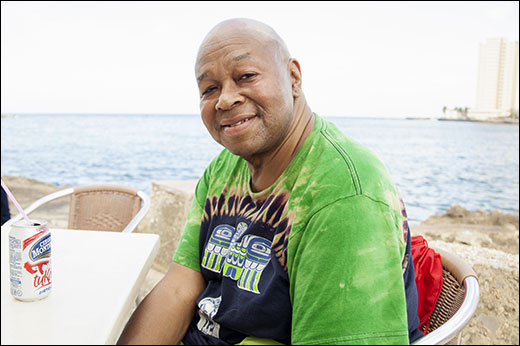
Steve Wakefield, Director, External Relations, HIV Vaccine Trials Network
The second installment of a round-table discussion with four members of the Black AIDS Institute's Cuban delegation. Go here to read Part 1.
Less than six months after the beginning of the normalization between Cuba and the U.S., a delegation of fifteen gay men (mostly) of color spent fifteen days in Cuba collecting and sharing information on innovations in HIV/AIDS treatment and prevention, sexual and gender identity, and the differences in responses to the AIDS crisis between a for-profit system and a government-controlled healthcare system. I spoke with four of the delegation participants after they returned to the U.S:
• Phill Wilson, founder of Black AIDS Institute
• Steve Wakefield, Director, External Relations, HIV Vaccine Trials Network
• Justin Tandingan, Director of the Asian American & Pacific Islander Initiative at Teach For America
• Christopher Hucks-Ortiz, Evaluation Specialist at John Wesley Community Health Institute in Los Angeles and current Chair of the HIV Prevention Trials Network (HPTN) Black Caucus
Cuba has been long touted as a model for how to treat HIV/AIDS from the beginning, while criticized for some of the harsh tactics like quarantining. Do they believe they've handled it right?
Hucks-Ortiz: Cuba was the first country on the globe certified by UNAIDS to eradicate transmission of HIV from mother to developing child. We asked advocates at the meeting at the U.S. embassy whether they had mandatory testing; they said no. I couldn't figure out how they were able to facilitate access to treatment for every woman who's seropositive if they don't require every woman who's pregnant to get a test.
Even though people have access to medical care through their national health service—which I wish we had in the U.S. because it gives everyone a basic access to medical care—they don't have the same access to ARV treatment that you would have in the developed Western world if you have access to insurance. And there isn't always enough medication for people who want to stay on treatment. It's easier in Havana, but if you're living in rural Cuba it's harder to get access to medications. People who are not as adherent will trade medications with people who are more adherent.
Regarding spread and treatment of HIV/AIDS, how did you see race and identity affecting this crisis?
Wilson: One of the things Cuba did was build a robust generic manufacturing capacity on the island. That gave them the ability to make their own ARVs and not be dependent on U.S.-patented ARVs. They're the same compound. One is branded and one isn't. But there are shortages in a country that has had a U.S. embargo for 60 years. In theory the medications are available to everyone, but they may not be due to shortages.
Wakefield: Testing for HIV is routine. You go in for an evaluation you get tested; you talk to your doctor about what you've done. There's not an opt-out and there's not an additional stigma attached to it. It's part of your routine healthcare. You get blood drawn; you get your blood pressure checked; you get the HIV test. That's a very different approach than we have. In the U.S., patients often don't want to have that conversation with a doctor and they don't get tested because of that.
Do the healthcare practitioners have a better understanding of men's health and gay men's sexuality, and do patients have a lack of stigma in answering these questions?
Justin Tandingan: There is quite a bit of stigma around HIV/AIDS and about LGBTQ or coming out as gay or bisexual, and if you're in a region outside of the city there may be some insensitivity on the part of the doctors. There are differences between the urban center of Havana and the rest of the island.
Hucks-Ortiz: I would agree with that. There was one young man who said that when they find out you're gay or bi or same-gender-loving there's an expectation that you're living with HIV or you're going to have HIV. That's interesting because they report a low rate of HIV.
Wakefield: There have been papers presented by researchers in Cuba and, based the data they are publishing, it does seem, as best we can tell, that when we compare what they've done to keep the virus under control, they have done a better job than we have done. As to where new infections are happening, we weren't able to drill down too deeply, other than learn that shortages of meds can happen intermittently. The shortage issue would create an environment of resistant virus and that may be happening in Cuba as well.
Next week, we'll continue our conversation about stigma, discuss the state of the trans movement, the risks sex tourism poses and the island's gay scene.
Larry Buhl interviewed the staff at MSMGF about their work for the March 2016 issue of A&U magazine. For a more comprehensive glimpse of both old and new Cuba, please pick up a copy of the March issue of A&U or visit their website.