Voices:
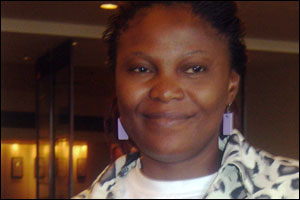
Learn more about discriminatory attitudes in Nigeria Comfort, a social worker, was in the U.S. recently to attend a conference on HIV treatment. I work with an organization in Oyo, Nigeria. We work in the community, especially in the rural area, where we do mother-to-child transmission and volunteer HIV counseling and testing. Also, we do referrals for positive people to give them access to ARV meds. We have about 300 positive clients, and are working regularly with more than 200. I came to the United States to learn more about the treatment of people with HIV, especially the children. We are still having trouble with the treatment of children in Nigeria. The HAART drugs are not available for them. Without the drugs available for them, they die at 18 months. We are really concerned about how to improve their life span. The HIV prevalence rate, which is based on the mother-to-child transmissions in Oyo state is 3.8. It is 4.4 in Nigeria. We are working in defeat and seeing more and more people become HIV positive. Our agency licenses individuals who then go out into the community to discuss HIV. This is a way to reduce the stigmatism in the community. During the training, they learn how not to discriminate against women with HIV and how to assist their family members and the members of the community who are living with HIV/AIDS. We have found that the stigma comes from a lack of knowledge. People don’t really have in-depth knowledge about HIV or know how it is transmitted. There are a lot of misconceptions. For instance, if you are sitting down with someone who is HIV, you cannot use the same cutlery or live in the same house with them. When we go into the community, we try to education people on the mode of transmission so that they will know you cannot acquire HIV through all of these means, except through sex, needles and mother-to-child transmission. -- As told to Sharon Egiebor