New Chapter of Black Treatment Advocates Network to Launch in Detroit
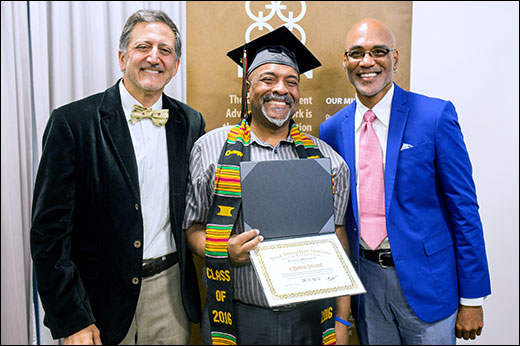
AAHU Fellow Quintin Stroud
Two 2016 African American HIV University graduates, Keith Hughes and Quintin Stroud, have come together to kick-start BTAN Detroit. Here we speak with Hughes about why a BTAN chapter is essential for this Midwestern city.
Community means a lot to me. It means being one, being in an environment of unity. It means individuals having a place to be themselves, accepting self and accepting others, within their own culture and within other cultures represented. And that is why there was a need to begin a BTAN here in Detroit. Our community has issues, and those issues need to be addressed. The level of advocacy around HIV and new infections has decreased. And networking, working together, is what we need to fight HIV in our community.
The Detroit BTAN's priority will simply be shining light on issues in our community that have been forced into the shadows. Either members and officials of our own community simply will not address the issues, or those organizations have not done the work to facilitate relationships with the community; thus, they have not tailored their services to the community they are supposed to be servicing.
We will prioritize specific groups, including those who have experienced substance abuse and those who have undiagnosed mental-health issues. Here in the city, there are simply not a lot of services addressing mental health, and the ones we do have are not affordable to the populations affected. Often, these mental-health issues are masked by substance abuse. Drugs like crystal meth and cocaine have become so prevalent in Detroit, purchasing them is almost like buying a pack of cigarettes.
Other communities we will target will be transgender women and MSM, specifically of color. We also hope to prioritize those engaged in commercial sex work. Many of them have also dabbled in drugs, which are typically introduced to them during sex work. Often, commercial sex workers are offered more money when they use these drugs along with the sex act. A lot of these individuals feel cast out. They feel no connection to the community, and that forces them to engage in commercial sex work and drug use.
The Detroit BTAN will consist of members from Matrix Human Services, Wayne State University, several University of Michigan nurses and the board of UNIFIED—HIV Health and Beyond, formerly known as AIDS Partnership Michigan, as well as local churches and community members with medical backgrounds. We are all looking to push the reduction of new infections and deaths associated around HIV.
As the lead lab coordinator and prevention specialist for UNIFIED, I oversee the prevention department on a day-to-day basis. In addition to my other daily duties, I am overseeing finalization of our PrEP [pre-exposure prophylaxis] clinic, a chance for those who are members of higher-risk communities to have access to antiretroviral medications that can help protect them from HIV infection. Members of these higher-risk communities, specifically gay men and Black women who don't know the status of their partner, historically have not been exposed to these types of advancements in treatments. Our PrEP clinic is funded through the Detroit Health Department.
My role in Detroit's BTAN will be to broadcast the needs of this community that are simply not being met by local officials. One of those concerns is how HIV is being addressed within the prison system. Members of the prison community are not receiving one-on-one care. There is a lack of daily antiretroviral medications. There are individuals who have been sexually assaulted and contracted HIV. There are correctional staff who are blatantly in violation of HIPAA regulations. And all of that needs to be addressed.
When we work together, it will not only allow us to address the issues, but it will also get the community involved in its own healing, and allow the community to excel.
As told to Whitney Alese, a writer and blogger whose work has been featured in BuzzFeed and several other publications.