Matthew Rose, Black AIDS Institute Program Coordinator: 'I Wanted to Do Something About It'
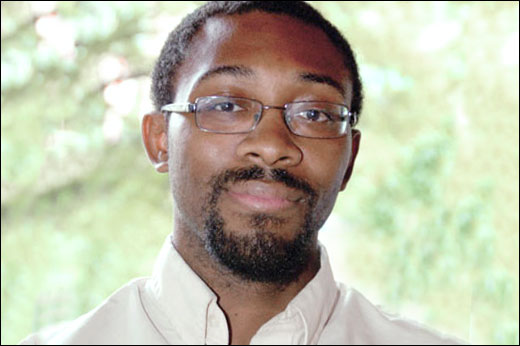
Matthew Rose
Matthew Rose says he knew early on that he wanted to devote his life to being an advocate for those living with and at risk for acquiring HIV/AIDS.
It all started nearly a decade ago at the University of Oregon. "I was on the speech and debate team, and we were preparing a piece about conspiracy theories," recalls the 29-year-old political science and ethnic-studies double major, who self-identifies as Black and gay. "I started reading about all these conspiracy theories Black folks had about HIV, along with the sheer number of us that are impacted," he says. "I was curious why that was and how it was continuing now that we live in a world where we're touting the breakthrough of HAART [highly active antiretroviral therapy] and other treatments. I decided I wanted to do something about it."
During his final two years in college, Rose got involved at a local AIDS service organization in Eugene, Ore., where he trained to become a tester and worked at the front desk. As a senior, Rose attended Creating Change, a conference put on by the National LGBTQ Task Force. "There was a session on HIV in the Black community run by some of the veterans of the policy side of this work," Rose says. "At the end they said, 'We are waiting for the next young generation of Black gay men to come do this work.'"
Their call to action led Rose to get more involved. He began by joining AVAC's PxROAR—or Research, Outreach, Advocacy and Representation—program, which develops research advocates in HIV biomedical prevention. He then began with the National Coalition for LGBT Health as a finance and development staffer, also handling its HIV work. After leaving the coalition, Rose started consulting on clinical research, health policy and community engagement. He even helped found the Young Black Gay Men's Leadership Initiative, a national organization whose "wonderful annual summit brings together young gay, bisexual and same-gender-loving Black men, under the age of 30, to meet and raise their capacity for HIV policy and advocacy," Rose says.
Today the former membership coordinator for the NLGJA, the Association of LGBT Journalists, who still writes for the Huffington Post, the Guardian and other outlets, works at the Black AIDS Institute. "As a program coordinator in the training and capacity arm of the Institute, I oversee some of the Black Treatment Advocates Network chapters and support them in their efforts," he says. "I also work on a health-literacy project we have with the public health consulting firm John Snow Inc. and handle technical-assistance capacity-building requests that the Institute receives."
He also heads the Institute's Brown Bag Lunches, monthly one-hour programs "to train our trainers on various HIV topics and help them expand their capacity to talk about HIV in their communities," he says.
Rose wants to arm people with knowledge to help them confront misinformation about HIV/AIDS and end the epidemic within their populations. "There are structural elements we need to work on, stigma elements and human elements," he says. "My job is to ultimately help people make knowledgeable and informed decisions to create the best-possible health outcomes for their lives."
Tomika Anderson is a freelance writer whose work has appeared in Essence, POZ, Real Health and Ebony magazines, among others.