Lessons to Be Learned From a PrEP Scale-Up in San Francisco
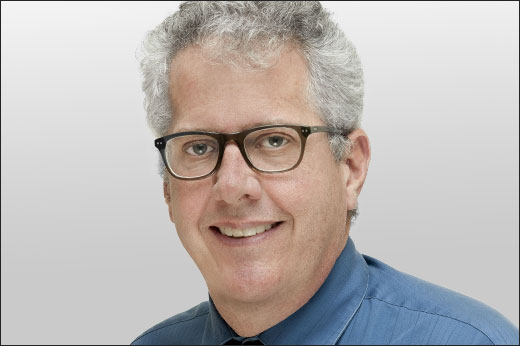
Robert M. Grant, M.D., MPH, a senior investigator at San Francisco-based research organization Gladstone Institutes.
The second in a series of articles about the PrEP findings presented at the 2015 Conference on Retroviruses and Opportunistic Infections. Go here to read part 1.
The goal of pre-exposure prophylaxis (PrEP) is to prevent those at high risk of HIV from becoming infected. Does it do what it sets out to do? A study in San Francisco suggests that although PrEP does, in fact, achieve that goal, the number of people actually taking PrEP is much lower than what is needed to have the maximum effect.
Researcher Robert M. Grant, M.D., MPH, a senior investigator at San Francisco-based research organization Gladstone Institutes, announced the findings of the study, "Scale-Up of Pre-Exposure Prophylaxis in San Francisco to Impact HIV Incidence," during the 2015 Conference on Retroviruses and Opportunistic Infections (CROI 2015), which took place in February in Seattle.
"San Francisco is an early adopter and sentinel of HIV prevention strategies," Dr. Grant said. For example, it was one of the first cities to ramp up routine HIV testing, leading to early HIV treatment for many who were found to be infected. As the use of PrEP in San Francisco started to rise in late 2013, the study looked at the impact the scale-up of PrEP has had in the region.
Falling Short of Its Goals
Not all approaches to PrEP are the same. The San Francisco study identified three different goals for rolling out PrEP:
* to provide PrEP to everyone who desires it;
* to provide PrEP to everyone who is eligible for it;
* to provide PrEP to enough people to have the maximum impact in curbing the HIV/AIDS epidemic.
The number of people actually using PrEP falls short of all those goals, researchers found.
A survey taken in November 2014 by the San Francisco AIDS Foundation STI clinic found that only 26 percent of people who wanted to take PrEP were actually taking it.
Researchers discovered that of the 16,089 people in San Francisco estimated to be eligible for PrEP, only 5,059—or 31 percent—actually used PrEP during the last year.
Not only that, but researchers learned that current PrEP usage is 29 percent of what would be required to cut down the number of new infections by 70 percent.
A Blueprint for the Future
Researchers are clear that as PrEP usage rises, HIV diagnoses go down. As a result, the next steps for researchers include continuing efforts to expand treatment and increasing PrEP rollout at least threefold, Dr. Grant said, through tactics such as community education, stigma interventions and practical training for health-care providers.
The lessons learned in San Francisco could have a major impact if they are applied within the Black community.
Knowledge about PrEP and how it's used is particularly low among Black Americans. A recent study titled "The Demo Project" sought to identify the levels of interest in PrEP in San Francisco, Miami and Washington, D.C., and predict how much the use of PrEP would increase. Blacks showed less of an increase in PrEP usage than Whites and Latinos despite the fact that young Black MSM account for the highest number of new HIV infections. Another study found that Blacks were less likely to use PrEP because of concerns about potential side effects. Finding ways to ramp up PrEP rollout among Black MSM could dramatically reduce the number of new infections.
In an interview from CROI 2015, Douglas M. Brooks, director of the Office of National AIDS Policy, pointed out how important it is to make sure every community understands the role that biomedical interventions can play in stemming the HIV/AIDS epidemic. "The science is the place from which we start and has to be our guiding force," said Brooks.
Tamara E. Holmes is a Washington, D.C.-based journalist who writes about health, wealth and personal growth.