Leo Moore, MD: Making a Difference In The Struggle
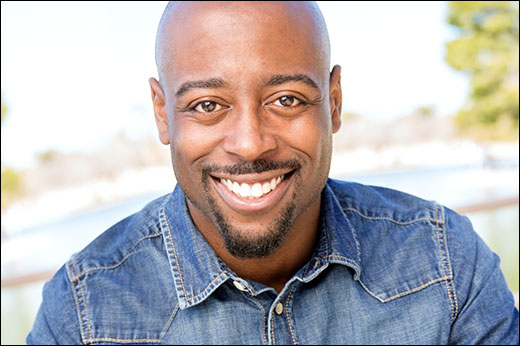
Leo Moore
When Leo Moore, M.D. relocated from New Haven, Conn., to Los Angeles in 2014, he was looking for a way to become involved in the community. It didn't take long for him to hear about a planning meeting to revive the Black Treatment Advocates Network's (BTAN) Los Angeles chapter, so he decided to check it out.
"I was really impressed with the work that had been done previously and was excited to be involved," he says. Today the clinical scholar at the Robert Wood Johnson Foundation is steering those efforts as the co-chair of BTAN L.A.
The way Moore sees it, BTAN's work is as critical today as ever. We asked him how BTAN is making a difference and what other HIV/AIDS advocates can learn from its success.
Why is BTAN important in Los Angeles?
Dr. Moore: Because historically there has not been enough advocacy for Black Americans in HIV prevention, education and treatment. Even at the beginning of the HIV/AIDS epidemic, it was only reported that White gay men were being infected with HIV. So I think it's imperative to have a space where we're educating the Black community about HIV so that they can then educate others. That involves more kitchen-table conversations. To get to that point, people must be educated so they can lead those conversations. In addition, it's important that PLWHA or those who have a family member who died of AIDS be able to boldly speak about that at meetings where policy makers are making the decisions. BTAN provides those opportunities.
Why should direct service providers, like yourself, get involved?
Dr. Moore: Often our patients share very intimate details of their lives with us. They talk about the difficulties and challenges they have discussing HIV with family members, as well as the challenges accessing patient care and services outside of direct patient care. That's a huge issue in the Black community, and as providers, we can speak from firsthand knowledge.
What has been the biggest challenge you've experienced in your advocacy?
Dr. Moore: Keeping people engaged, because often we're all stretched, dealing with our own jobs and with other responsibilities. So one of my biggest challenges has been keeping that fire going for people. We've been trying to have more events where we can all get together; for example, we did a bowling night. We're trying to find ways to engage people that are fun, where you can bring your family out or you can bring friends and it's more of a social event with a message.
Do you have any recommendations for other BTAN cities trying to build similar networks?
Dr. Moore: I think it's important to coordinate with other chapters—to compare models and talk with co-chairs who have been successful in areas where your chapter may be struggling. For instance, there may be some resistance from the department of public health or to having certain programs in the community. Other chapters may have already overcome those struggles and be able to speak about the strategies that they employed.
What do you want the world to know about BTAN?
Dr. Moore: We are always interested in having new members. You don't have to be working in the HIV community; you don't have to be living with HIV. You don't even have to be directly affected by HIV. The goal is to expand the network so that we can draw on different expertise and create strategies that will affect the greater community.
You can reach Dr. Moore on Twitter.
Tamara E. Holmes is a Washington, D.C.-based journalist who writes about health, wealth and personal growth.