In This Issue
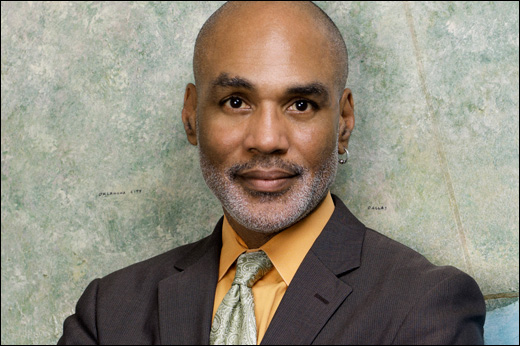
Welcome to the first issue of the Black AIDS Weekly in 2015.
2014 was an incredible year. From the resounding success of the Affordable Care Act; to the many members of the LGBT and PLWHA communities who found the courage to come out; to the 15th anniversary of the Black AIDS Institute; to the 20th International AIDS Conference in Melbourne; to the protests in Ferguson and New York and the worldwide movement that is raising consciousness that Black lives matter.
One of the wonderful things about a new year is we get to start over and set new goals and objectives. If we want to end the epidemic in our lifetime, our resolutions need to reflect that. In my opinion the five most important things that we can work on towards ending the AIDS epidemic are:
1) focusing our work on the key populations who are most infected and affected by the HIV virus;
2) helping everyone living with HIV to know their HIV status;
3) creating an environment where people living with HIV feel free to live their lives openly without fear of discrimination bodily harm, or even death;
4) helping both people who are living with HIV and people who are not use the new biomedical prevention tools to prevent transmission and acquisition of the virus, as needed;
5) and providing people with HIV or at high risk of infection access to the quality healthcare that we need and deserve.
As we start this journey of 2015, I challenge you to set a goal that's tied to one of these objectives. Mark your calendar today: Describe where we are and describe what contributions you can make to move us closer to achieving those goals by the end of this year.
For example, to end the HIV/AIDS epidemic, we need to focus our efforts on key populations. In the United States that includes Black people and particularly Black MSM. If you don't already know your HIV status, get tested and help everybody in your immediate sphere of influence gets tested as well. If you're living with HIV, do a personal disclosure assessment. Figure out who needs to know about your HIV status and tell them.
Everyone living with HIV should be on treatment, so if you're positive and not on treatment, get on treatment. If you are co-infected with HIV and hepatitis, great treatment options exist that may cure your hepatitis. Being on treatment is good for you and it dramatically reduces the likelihood that you will transmit HIV to someone else. If you're HIV negative, for goodness sake protect yourself. If you're sexually active, look into whether PrEP is appropriate for you.
Finally, all of us need to make sure that the Affordable Care Act is fully implemented and not rolled back, and that it works for people living w/ HIV AIDS. You have until February 15th to obtain coverage if you don't already have it.
In this issue, Dr. Cara James reminds those of us living with HIV/AIDS of the benefits that the Affordable Care Act offers and the steps to obtain coverage during the open-enrollment period, which ends on February 15th. We also share excerpts from blog posts written by several Black bloggers to mark World AIDS Day. Right before the Christmas holiday, the FDA announced that it was approving the fourth drug in 2014 to treat hepatitis C: Viekira Pak, an oral medication.
The Black AIDS Institute is working with Cicatelli Associates Inc. and API Wellness to provide capacity-building services for healthcare, AIDS-service and community-based organizations. We tell you how to request support. And there's still time to register for National African American MSM Leadership Conference on HIV/AIDS and Other Health Disparities in Atlanta over the MLK weekend.
Yours in the struggle,
Phill