In This Issue
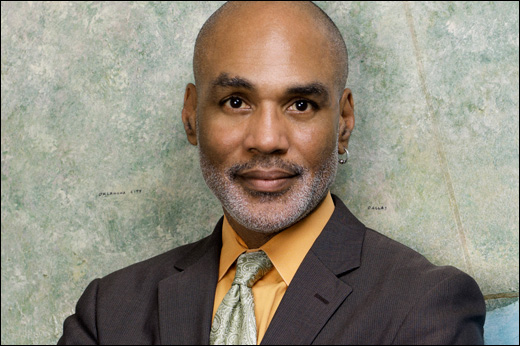
For the past several weeks, we have been sharing a roundtable discussion that took place among members of the Black AIDS Institute's recent Cuban delegation. This week we bring that series to a close with a wide-ranging conversation about the trans movement, HIV/AIDS, sex tourism and the gay scene in that nation.
In this issue, we also run our final story in our series where we report from CROI, as AAHU fellow Joshua Agee, the PrEP coordinator at My Brother's Keeper in Ridgeland, Miss., reflects upon his experience.
Our friends at the National Library of Medicine recently shared the results of two studies that we wanted to bring to your attention. One revealed that the parents of many children of color do not know that their youngsters qualify for government health insurance, and as a result the children remain uninsured. The other discovered that Black people who suffer heart attacks are more likely than Whites to have their ambulance diverted to another hospital due to emergency-room overcrowding—and that those diversions both undermined the patients' quality of care and increased their risk of dying within a year.
During this year in which the Black AIDS Institute is committed to reminding the nation that Black lives matter, we note a success on the part of Black Lives Matter protesters in Minneapolis.
On Thursdays, CNN will run a seven-part documentary, The Eighties, a series that explores the individuals and events that shaped that decade. I was interviewed for this week's episode, which looks at the AIDS crisis. The show airs at 9 p.m. ET/PT.
Finally, we urge our friends in Wisconsin to get to the polls today if they haven't cast their ballot already and our friends in Wyoming and Colorado to vote later this week.
Yours in the struggle,
Phill