In This Issue
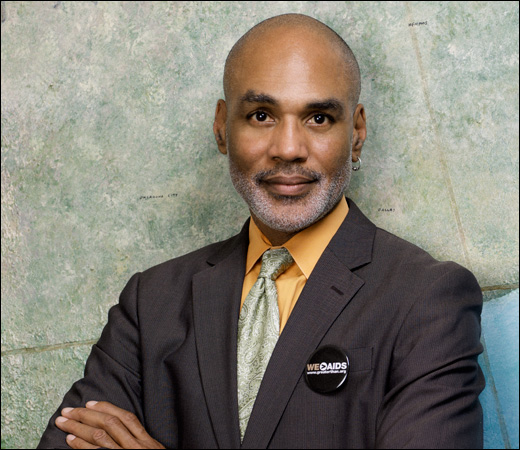
Raised in Canada actor Tamara Taylor grew up with the benefit of a publically funded health care system in which she could go to the clinic to get HIV tested as often as necessary. Today, a star of the hit television show Bones, Taylor encourages Black Americans to learn their status as well.
This past week a Food and Drug Administration advisory panel approved the antiretroviral Truvada for HIV prevention, opening the door for the FDA to approve the drug for pre-exposure prophylaxis, or PrEP, adding an essential biomedical tool to our toolkit for bringing the epidemic to an end.
Although we often associate HIV with young people, in Black communities an epidemic exists among those ages 50 and above. HIV specialist Theresa Mack, M.D., M.P.H., tells us how to take care of ourselves if we already have the virus and how to avoid becoming infected if we're HIV-negative.
When Dr. Otis Brawley, the chief medical officer of the American Cancer Society, says that the system is broken, people listen. We share excerpts from his speech at a recent Association of Health Care Journalists meeting in Atlanta in which he says: "The system really is not failing… the failure is the system"--a sentiment that many of us share, which is why it's so important for us to fight for health care reform to be implemented at the state and local level.
Results of a recent telephone survey shows that in the United States, MSM have their first sexual experience at a younger age and have more new sex partners throughout their 20s and 30s than heterosexual men and women do. Also in this issue, insomnia and HIV, and rates of antidepressant and ARV adherence among U.S. military veterans.
Yours in the struggle,
Phill