In This Issue
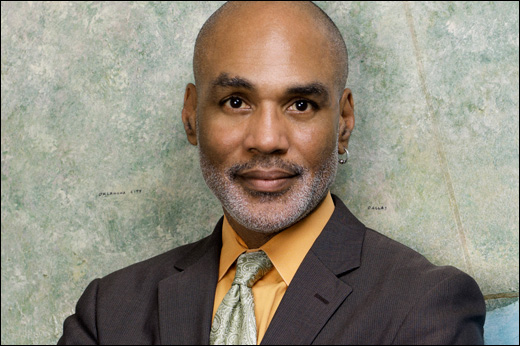
Last Friday, I attended a concert/tribute to Prince held in Los Angeles. There are a number of rumors swirling around about Prince's death, including speculation that he may have died from HIV/AIDS. The circumstances of Prince's death are dramatically inconsistent with what happens when someone dies from AIDS.
At the moment we have no information that tells us the actual cause of Prince's death. The autopsy will soon provide us with that information. But it is alarming that some sources are exploiting Prince's death and creating confusion around what AIDS looks like and how it works this many years into the epidemic.
We need to be careful about these kinds of speculations. These types of sensationalizing rumors only serve to further stigmatize HIV and distract efforts to confront the disease in our communities. HIV/AIDS continues to be a very serious and real threat in Black communities. Even with all the recent scientific breakthroughs we have had over the last few years, if we are to have any chance of ending the HIV epidemic in Black America, we need to take the disease seriously and avoid turning it into tabloid fodder.
Here are some things we all need to know about HIV/AIDS in 2016.
1) If you're concerned about whether you are HIV positive, the only way to resolve that is to take an HIV test. Finding out your HIV status has never been simpler or easier. In most cities there are lots of places to get a free HIV test. The tests are simple and easy; there are no needles involved; you can get the result back in less than an hour. If you're worried about confidentiality, options exist to take an HIV test in the privacy of your home. If you're particularly anxious, there are options where you can get your results in one minute.
2) There are highly effective treatments available for people living with HIV/AIDS that help us live long and relatively healthy lives.
3) There are bio-medical prevention tools that, when used properly, can almost eliminate transmission of the disease and/or acquisition of the disease.
The real point is that in an era when we have the tools to possibly end the HIV/AIDS epidemic, instead of speculating and creating sensational stories, we should be doing real education. The place to have an HIV/AIDS conversation is not on the front page of tabloid or gossip magazines. All throughout our community, we need to be educating ourselves about: 1) how HIV is transmitted, 2) how to protect ourselves from infection, 3) how to reduce the debilitating stigma that continues to be associated with the disease. For those of us who were inspired by Prince's music and his social and cultural contributions to society, we should demand no less when it comes to anything associated to his legacy.
In this issue HIV/AIDS activists are working on meeting with all the current presidential candidates to attempt to get them to prioritize HIV/AIDS in their campaigns and to help them develop HIV/AIDS policies for their administration, if elected. We have a meeting already set with Secretary Clinton. The Trump campaign has communicated an interest in meeting with us. Unfortunately and surprisingly, a scheduled meeting with Senator Sanders was cancelled and the campaign is not responding to requests for reschedule. We are calling on all of our readers to let the Sanders campaign know that we expect them to meet with the HIV/AIDS community.
A new study suggests that young gay and bisexual men are much more likely to commit suicide than older gay and bisexual men, with Black gay and bi men most likely of all to kill themselves. Not surprisingly, men with less education and lower incomes were particularly at risk. This is one of those "Black Lives Matter" issues. Black gay and bisexual men, particularly young men, are under constant assault. And as a society, we do an abysmal job of diagnosing and treating mental health issues.
May is hepatitis awareness month, a time when we many organizations across the nation partner to promote hepatitis testing and improve outcomes for the estimated 3.4 million to 5.3 million people living with viral hepatitis in the U.S., many of whom do not know they are infected. Indeed, May 19th is national Hepatitis Testing Day. Read on to learn more about this important observance and the resources available to get involved and spread the word.
A new study suggests that across the nation Medicaid expansion under Obamacare has improved the health insurance coverage of low-income Americans, increased their doctor visits and enhanced detection of chronic health conditions. Finally, we continue to share pieces from Kaiser Health News's series on Freddie Gray's Baltimore. The article we're running this week discusses the thousands of people who leave Maryland prisons with risky health problems, including HIV/AIDS, but no health insurance.
Also, note that the "The Fight Against AIDS" episode in CNN's documentary The Eighties has been pushed back until May 26th.
Nebraska and West Virginia head to the polls today. Don't forget to vote!
Yours in the struggle,
Phill