In This Issue
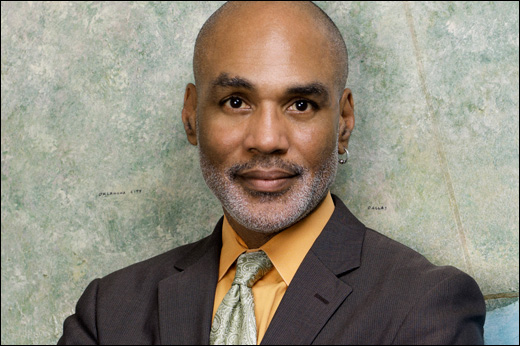
Back in May, we reported on a tour of Southern Health departments Leisha McKinley-Beach and I conducted. We kicked off our tour in Florida, where we visited Miami-Dade County (Miami), Broward County (Fort Lauderdale), Orange County (Orlando) and Alachua County (Gainesville).
We also met with members of the Black Treatment Advocates Network in Melbourne, Florida. In June, our team visited Charlotte N.C. and Jackson, Miss. Earlier this month, we wrapped up the tour with meetings with the Louisiana Health Department and an activation at Essence Fest in New Orleans.
The purpose of all of these visits was to get a better understanding of the HIV/AIDS epidemic in the Black South and to talk with public health leaders in the South about strategies, tools and tactics, including PrEP, to reduce HIV/AIDS disparities and even end the AIDS epidemic in the South. We knew three things going into our visits. (1) The Southern HIV epidemic is largely a Black epidemic. (2) The Black HIV epidemic in America is disproportionately a Southern epidemic. (3) The uptake of PrEP among Black people, especially Black Southerners has been extremely low. Focusing on the South, as the Black AIDS Institute has done for several years now, only makes sense.
The Institute had already held PrEP Learning Collaboratives in Atlanta and Houston to help health departments, clinical providers, AIDS service organizations and community-based organizations develop plans to deliver PrEP services to Black communities more effectively. We were well aware of many challenges that health departments face—from inadequate financial resources and staff, to the mistrust of health-care providers that pervades many Black communities, to those providers' lack of understanding that both the message and the messenger matter.
Despite challenges and growing pains, we are pleased to report that PrEP has arrived in the South. In this issue, we report on the efforts of five Southern health departments—Houston, Jackson, Miami-Dade, Broward and Alachua—and the ASOs they work with, as they seek to provide PrEP to their communities.
The Institute is also developing a PrEP toolkit for health departments and CBOs in the South.
What's in the PrEP Toolkit, you ask?
- An update on the PrEP Report the Institute originally published in 2016, "Black Lives Matter! What's PreP got to do with it? The state of PrEP in Black America".
- Fact sheets on PrEP for Black women, transwomen and men who have sex with men to help Black consumers know what to think about when considering going on PrEP. There's also information about how Black consumers can obtain financial support for PrEP.
- A poster series and other collateral materials on PreP targeting Black women, transwomen and MSM
- Information on how local communities can create their own PrEP Learning Collaborative
- A survey instrument on PrEP and Black women
- A PrEP Discussion Guide for people counseling/facilitating groups of Black gay men.
The tool kit is scheduled to start rolling out in mid-August. For more information, to join our PrEP webinar series or arrange a PrEP Learning Collaborative in your community, contact Fatima Hyacinthe at
PrEP is not a silver bullet and it alone will not magically end the AIDS epidemic. But it is a valuable tool and the disparate utilization in Black communities is already starting to exacerbate the disturbingly high HIV/AIDS health disparities between Black communities and other racial ethnic groups. Forty-five percent of new HIV infections in the U.S. are Black. Sixty-one percent of new HIV infections among women are Black. Black MSM have a 50 percent lifetime risk of HIV infection. Taken consistently, PrEP reduces the risk of getting HIV by 92 percent. Eighty-five percent of current PrEP users in the U.S. are White men. What's wrong with this picture?
Yours in the struggle,
Phill