In This Issue
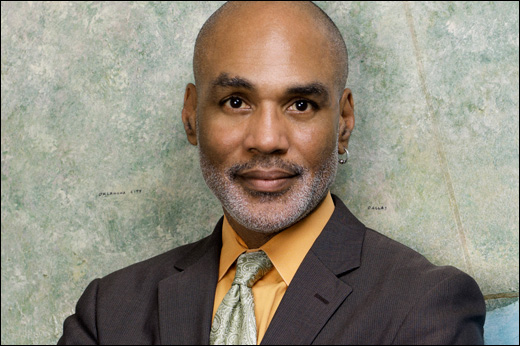
Halfway through the conference it seems that it's true: everything that's new is old and everything that's old is new again. So far, there have been two big messages of this conference. One, not everybody is impacted evenly. It appears that HIV actually does discriminate and—surprise of surprises—it is important that you invest your resources in countries and communities and populations that are most impacted.
The second message is that social determinants of health—poverty, gender equality, racism—inhibit the maximum implementation of biomedical interventions. President Clinton, during his keynote address, reminded us that we are interdependent. In a world with advanced communication, transportation, interrelated economies, we are more interconnected that ever before. And while some in the world seem to want to de-emphasize the criminality of the downing of flight MH17 because they may not have meant to shoot down that particular airplane, we should not forget how horrific it is that human beings would intentionally shoot down any airplane where there are civilians onboard. As exists in HIV, just because the folks that are most impacted are vulnerable and marginalized, it is a very damning commentary on our humanity when we decide it's okay because they are not us. Because there is no "us" and there is no "them," there's really only a "we". All of us have a responsibility to eradicate this disease, whether in Mombasa or Miami, Dar es Salaam or Detroit, Lagos or Los Angeles.
Over the next few weeks, we're going to connect the scientific advances we are making with the regressive attacks on human rights that are starting to percolate up across the globe.
In this issue journalist Linda Villarosa writes about the future of HIV prevention and her daughter, Kali, tells us about the return of the female condom. Sean Strub walks us through the four waves of AIDS activism in the United States, including how we reached a point where HIV has been criminalized. Anne Sulton reports on a panel on gender, violence and HIV. And BTAN Chicago co-chair Yaa Simpson talks about her experience as a member of the Black AIDS Institute's media delegation.
Yours in the struggle,
Phill