In This Issue
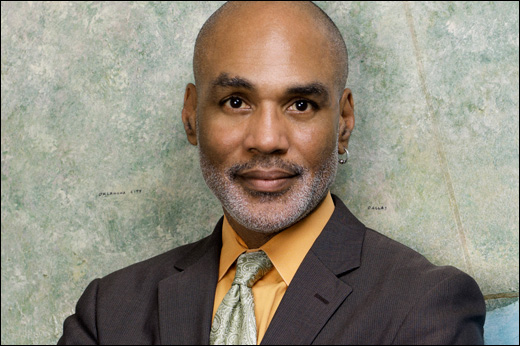
I woke up on Monday morning, the day after the mass murders in Orlando, feeling like I had cried myself dry. I don't remember the last time I cried so hard and for so long. By Monday morning I felt like I had no more tears. Then the names started to come in and I found a new well of tears and a new need to grieve. I attempted to write this column but could not find the words. So I decided to take a break and attend the candlelight vigil at the Los Angeles City Hall. I felt a need to be with other people who were feeling what I was feeling.
The vigil opened with singing by the Los Angeles Gay Men's Chorus. It was followed by a number of extremely powerful and moving speeches by various LBGTQ leaders, but as the evening went on I became increasingly anxious and isolated and lonely. The vigil ended with the singing of Holly Near's song "We Are a Gentle Angry People and We Are Singing for Our Lives" and I realized that there had been no Black speakers at the vigil. There had been an obvious effort for the vigil to be diverse: there were young people and long-term leaders; there were men and women and trans women; there were Whites and Asian Pacific Islanders and Latinos. But there wasn't a single Black speaker. I just walked away.
I know that we are grieving the loss of our brothers and sisters who perished in Orlando and we need that time. Like many LGBTQ folks around the world, I need that time, and I don't want to create a distraction. I also know that the hate the fueled Omar Mateen in Orlando is connected to the hate that fueled Dylann Roof, the killer in Charleston, which is connected to the hate that fueled Robert Lewis Dear, the gunman in Colorado Springs, Colorado. And while Mateen may have been inspired by his perverted interpretation of Islam—the jury is still out on that—we cannot ignore that the kind of hatred and dehumanization spewed by radical right-wing Christian fundamentalists like Pastor Roger Jimenez in Sacramento who celebrated the killings and said, "The tragedy is that more of them didn't die," is in the same vein. So are the leaders and pundits who dehumanize LGBTQ people by passing laws that criminalize and discriminate against us, like HB2 in North Carolina, that are spreading around the country; and the rhetoric from elected officials like Ted Cruz, Marco Rubio and Texas Lt. Gov. Dan Patrick; and the epidemic of police violence against unarmed Black men in America. All of these factors create a culture of intolerance that supports and propagates violence and internalized homophobia which might be the case with the Orlando shooter.
I am still crying this morning, but, I'm also calling upon lessons taught by my ancestors during the Civil Rights Movement and learned during the AIDS epidemic. We can fight while our hearts are broken. We can be hurt, but not deterred. As the old church hymn goes: "We are soldiers in the army. We want to cry, and yet we have to fight. We have to carry the blood stained banner, we have to carry it until we die."
In this issue we continue to mark the 35th anniversary of HIV/AIDS. We run a story on the interfaith religious service hosted by the World Council of Churches in New York prior to last week's United Nations High Level Meeting on AIDS. In the coming weeks, we will tell you more about the PEPFAR/UNAIDS faith based initiative to end AIDS by 2030. As he nears the end of his career, we celebrate Dr. Ron Simmons' longstanding leadership and activism in LGBTQ communities, especially his commitment to end AIDS. We share results from one study about the risks of heavy drinking for people living with Hepatitis C and another that sounds an alarm about the low rates of STD testing among young people. Finally, we remind people who bought health insurance through the health insurance marketplace to keep their coverage up to date throughout the year.
Yours in the struggle,
Phill