I Have My Protection—And It's Not a Condom
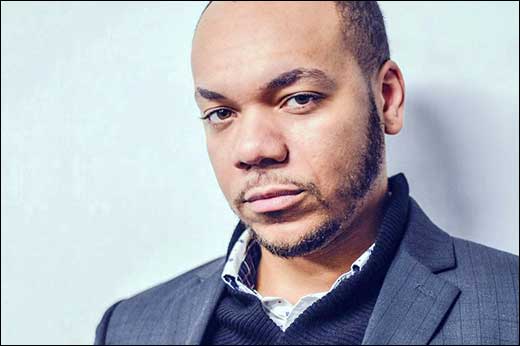
Blake Rowley
Like most other Black men, I have had extremely inconsistent engagement with healthcare. If I'm not sick, why go? Until recently, the only time I really cared to access any type of care was when I was getting tested for HIV and other STIs.
In 2012, while conducting research at Fenway Health, I learned that multiple studies were trying to assess how effective taking one pill, once a day, would be at preventing HIV infection. My colleagues and I would joke about taking this pill once it became available, if it was successful. And then "BOOM," there it was—a one-a-day pill that could prevent HIV by close to 100 percent.
Needless to say, the decisions made in jest weren't as easy to make reality. Questions like, " How much is this going to cost?" "What does this mean for my sex life?" What will partners think?" all became extremely salient, and would need to be dealt with. At first, taking PrEP just didn't seem right, so I delayed the experience for about a year, not knowing how it would impact my body or how to answer those questions.
When I started to grapple with the question of cost, I was relieved to find out that through insurance coverage, PrEP can be cheap or free—thanks Gilead for the Co-Pay Assistance Program—I just needed to find a doctor to prescribe it.
I found a Black gay doctor in D.C., and told him I was considering PrEP, and we had an interesting exchange. We skipped a lot of the conversation around PrEP research, since I was intimately familiar with those details; however, he helped me answer the question about implications for my sex life.
"Do you use condoms all the time?" he asked.
I stuttered a little bit, because the sex talk with any provider is never easy, but replied, "No."
"Do you think you can use them all the time?" he asked.
"Sure don't!" I said flippantly.
Nonjudgmentally he asked, "Well, if that's the case, what're the consequences of you not taking this pill?"
The reality of acquiring HIV became ever present, should I carry on without any modicum of protection.
Now, the decision at this point was easy: I don't want HIV—give me the pill.
A lot of times we're so laser focused on changing behaviors and increasing condom usage, and worrying that PrEP is going to give people license to have more condomless sex and/or disengage from condoms altogether.
Let's be clear: for some, it might make them do that. But for myself, I couldn't disengage with something I was never fully engaged with to begin with.
At nearly 30, I knew I couldn't--well, wasn't going to--increase or start a behavior that: 1) irritated me in general practice; 2) required more mental gymnastics than I felt necessary; and 3) diminished my pleasure.
What PrEP meant for my sex life was this: Have sex, good sex, lots of it, the way you want, and your chance of getting HIV is pretty much nonexistent.
Having been on PrEP for a while at this point, the response from partners honestly has been mixed. It's clear, that a lot of people—Black people—don't know much about this drug—and what they do know, they don't trust (for a host of historically valid reasons).
Sure, I've been called #TruvadaWhore, and have had a few bouts with stigma from the uninformed, but overwhelmingly, people have been more intrigued and responsive, even leading a few to have get their own prescriptions for the medication.
One of the most interesting things to me about PrEP is the onus it places on the user. My ability to prevent HIV is not predicated upon a negotiation of condom use with anyone else. Those sticky conversations about status become less and less dicey. Caution around dating someone with HIV, or even having a casual one-nighter, is a thing of my distant past. Furthermore, the HIV fear is gone, and more importantly, I'm a Black man, IN CARE! PrEP requires me to see a doctor three times a year, in addition to getting a physical.
PrEP has the potential to change healthcare seeking behaviors for Black gay men, and if done right, incorporate a holistic approach to health. Sure, going to the doctor three times a year might seem like a lot, but really, it's time spent doing something that I NEED to do anyway, when I would have been doing something else less important. All in all, education—of patients as well as providers—and access to health care are key. No one is saying "DOWN WITH CONDOMS," or to throw the baby out with the bathwater. But, if they don't work for you, that's fine—engage with something that does.
I have my protection, do you have yours?
Blake Rowley is the Manager of Health Equity/Prevention for the National Alliance of State and Territorial AIDS Directors.