Health Challenges That Transgender People Face, Part 2
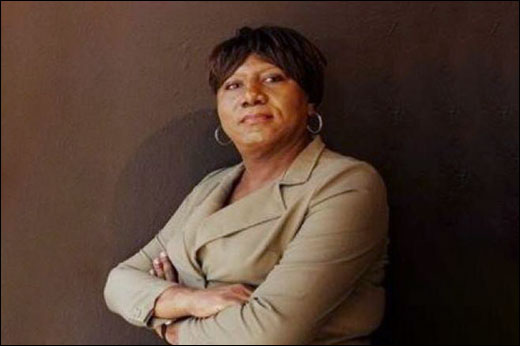
Monica Roberts, founding member of the National Transgender Advocacy Coalition and creator of TransGriot.com
Transgender people face many health challenges that cisgender people—those whose experience of their gender matches the gender they were born with—don't face. In part 1 we examined how factors such as inadequate health insurance coverage, discrimination and a lack of culturally sensitive care combine to place people at greater risk of poor health. Here, we continue the list.
Risky behavior. Poverty, unemployment, mental-health issues and homelessness can put transgender people in binds that can make it difficult to be independent. Many are forced to engage in survival sex to earn money, putting them at increased risk of contracting sexually transmitted infections, including HIV, or becoming victims of violence. Moreover, issues such as drug and alcohol abuse, incarceration and violence, as well as having multiple male or female sex partners, can also put transgender people at greater risk of contracting HIV.
Data depicting HIV rates among transgender men and women are often unreliable. Trans women, for example, are sometimes wrongly categorized as MSM. According to Healthy People 2020 (pdf), estimates of HIV infection rates among African American transgender women range from 41 to 63 percent and, for Latina transgender women, 14 to 50 percent, depending on the source. The Centers for Disease Control and Prevention (CDC) estimates that 2.1 percent of new HIV diagnoses each year occur among people who are transgender, even though they make up only between 0.25 and 1 percent of the population.
Within the transgender population itself, Black people account for 4.1 percent of new diagnoses, followed by Latinos at 3.0 percent. Only 1 percent of new HIV diagnoses occur among Whites. In New York City, 99 percent of new infections among transgender people are acquired by transgender women, 90 percent of whom are Black.
The pursuit of hormones that will create curves can also be risky. "Pumping parties," where some trans women pay to be injected with silicone, can have deadly results. Pittsburgh based ob-gyn Draion Burch, M.D., who treats trans women, warns people to beware of injections that take place without a credible physician present. "I had a girl who died from silicone in her lungs from a pumping party. You don't really know what you're getting at those events. You never know where the silicone is going to end up, so don't do it," he says. "Unfortunately, a lot of trans people got their hormones off the street or off the Internet. Some of [the labels] say hormones from Malaysia or Brazil, but that doesn't mean it's safe."
Hormone therapy gone wrong. When patients are transitioning from one gender to another, they're prescribed hormone replacement therapy (HRT), which often creates a financial burden. Hormones can cost between $300 and $2,400 a year, plus $50 to $200 for psychological counseling. And side effects, such as weight gain, may occur in those taking estrogen to develop breasts and curves.
Black-market hormones can also lead to fatal results. Mezzo-soprano, actress and violinist Tona Brown, a transgender woman, points out that not everyone tolerates hormone therapy well. "People need to know that hormone replacement therapy can go wrong sometimes. What if there's a complication to your medication? If I go into the emergency room and tell the staff that I'm having an allergic reaction [to my HRT] and then explain that I am transgender, and there's no endocrinologist on duty, that is a huge issue," she says.
Fortunately, ways exist to counteract negative health encounters and outcomes. Trans people can report discrimination to their state's licensing board. Physicians can seek training on how to provide more sensitive care for people who are going through or have completed gender reassignment. There are even guides (pdf) available for doctors.
Transgender people seeking physicians for their unique needs can explore the website of the World Professional Association for Transgender Health, which has many resources to help trans people find health care and support. For HIV prevention help, visit the Center of Excellence for Transgender Health or check out the resources in this fact sheet from the CDC (pdf).
Candace Y.A. Montague is an award-winning freelance health writer and health reporter for Capital Community News in Washington, D.C.