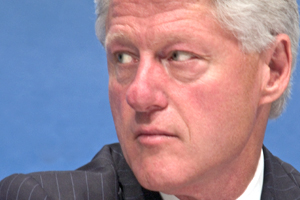
Presidential unease
By Erv Dyer
TORONTO -- Former U.S. President Bill Clinton, in a keynote address Tuesday at the XVI International AIDS Conference, said that in the 1990s, even during the height of his administration, the United States was too blind to the fact that HIV rates were escalating among black Americans, especially women.
Clinton also said the country should rethink needle exchange as a viable option to prevent infections. Particularly, since evidence shows it does not increase rates of drug use. This is notable because as president he largely opposed such harm reduction measures. “I think I was wrong,” Clinton admitted. Many HIV advocates argued that providing a place for clean needle exchange would slow infections rates because sharing syringes was a high-risk behavior that fueled the spread of HIV. Community activists say such denial of who the virus was touching and the squelching of attempts to halt it are to blame for HIV’s rapid-fire increase in the black community. Also, in the mid-1990s, said Clinton, Congress turned its attention overseas to address AIDS, and “everything was not all right at home.” Despite such mistakes, Clinton said he has learned much since he started his William Jefferson Clinton Foundation, which addresses HIV, that there remains a “long, long way to go,” to end the pandemic. Scientists say a vaccine is still at least a decade away and that stigma continues to haunt people living with HIV. Since leaving the White House, however, Clinton has become more deeply involved in HIV issues. In 2002 Clinton attended the international conference in Barcelona and was greeted warmly on Tuesday when he discussed the need for bold leadership in the AIDS fight. The audience even sang happy birthday to the former president who will celebrate 60 years this month and applauded many of the recommendations he proposed for keeping HIV at bay. In recent months, Clinton has visited Rwanda, Lesotho and other African nations hit hard by the virus. He’s been on a mission to draw more attention to the plight of rural areas, which desperately need services and healthcare providers. In those areas he wants to work to keep more nurses and doctors in their home countries. Clinton was not afraid to support some controversial measures, notably a call for public health officials to act on evidence that circumcision can sharply reduce the risks of transmission of HIV-AIDS. “If this saves lives, we have to get after it,” he said, regardless of how uncomfortable the issue might make men. Yesterday, he called the U.S. abstinence-only policy an “error,” but stopped short of completely bashing the conservative initiative that funnels 30 percent of U.S. dollars to abstinence-based AIDS education. However, Clinton did acknowledge that moral conditions shouldn’t be tied to saving people’s lives. “It’s OK to say you disapprove of prostitution,” Clinton said, “but then say here’s some money, go save some lives.” While America’s research and funding position it as a global leader to fight HIV, there are lessons to be learned, said Clinton. For example, he said, too many middle-income Americans who live with AIDS must grapple with the high costs of treatment because their incomes don’t allow them to access Medicaid. For the next 25 years to look differently, said Clinton, HIV advocates must work to make individuals more accountable. Too many people, he said, act irresponsibly because they don’t know their status or if they’re in a high-risk group and continue to take chances. Appropriate levels of funding must continue to flow, he said. “Every single wasted dollar puts a life at risk.” Without sufficient funding, he added, quality of care, delivery and resources all dwindle. “I’m in for the long haul,” said Clinton of the HIV fight. “I can’t foresee anything diverting me from this commitment short of a life-threatening illness or success.” Erv Dyer is a reporter with the Pittsburgh Post-Gazette.