Criminalization and HIV: A Double-Edged Sword
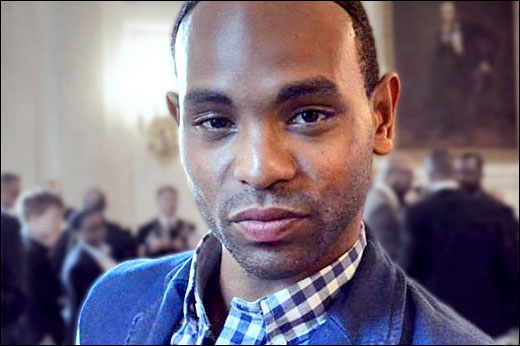
Isaiah R. Wilson, Director of External Affairs, National Black Justice Coalition.
It is common knowledge that Black people in the United States are more likely to be incarcerated than other populations.
For people living with HIV/AIDS (PLWHA) and those focused on fighting the HIV/AIDS epidemic, incarceration poses even more challenges. A Brown Bag Lunch Webinar was held by the Black AIDS Institute in August 2017 to shed light on the issue.
Research has shown that the U.S. prison population has a higher incidence of HIV than the general population. In fact, one study suggests that 20 percent of African Americans living with HIV spend some time in a jail or prison each year.
There are a number of reasons why that is particularly problematic for those working to end the HIV/AIDS epidemic in Black communities, says Isaiah R. Wilson, director of external affairs for the National Black Justice Coalition, an organization that advocates for Black LGBTQ people, including those living with HIV/AIDS.
· There are outdated laws that criminalize PLWHA for failing to disclose their status, and many people have been incarcerated under these laws.
· While it is common for incarcerated PLWHA to have access to care while they are in prison, most are released with no way to stay adherent to treatment.
· Once people are no longer in treatment, their health suffers. Viral loads rise, which makes it easier to transmit HIV within the community.
Working Within the System
While the goal is to push for criminal-justice reform, there are some opportunities to fight the HIV/AIDS epidemic under today's incarceration system. In ideal situations, HIV screening that takes place while individuals are incarcerated can identify PLWHA who were not previously diagnosed. Another positive thing is that those living with HIV typically have access to care while they are incarcerated.
However, the challenges clearly outweigh the opportunities, as far as HIV/AIDS is concerned. For example:
· Many prisons have a lack of resources for the testing and treatment of inmates.
· Jails typically keep inmates for less time and have fewer resources than prisons, so inmates are less likely to be tested or treated for HIV.
· Stigma is a huge concern, since many inmates fear that others will find out about their HIV status.
· There are few resources for inmates when they are released. Many end up returning to their communities with no access to treatment.
Criminalization in the Age of Trump
The political landscape also poses some challenges to the fight against HIV. "We've seen very disturbing actions from the Justice Department," Wilson says, such as a return to tougher drug sentencing laws. The Trump administration has also shown a commitment to "tough on crime" policies, which many believe will unfairly target people of color. The Department of Justice under Attorney General Jeff Sessions has also moved to reverse an Obama-administration directive to end the government's reliance on private prisons.
One development could turn out to be positive. A bipartisan group of lawmakers has shown support for criminal-justice reform, Wilson points out.
There are also some ways to deal with the crisis through public policy:
· More efforts could be made to end the war on drugs, which leads to an increased incarceration of Blacks and other minorities.
· Correctional facilities could be given incentives to make HIV screening and treatment a greater priority.
Legislation could also make a difference. The Stop AIDS in Prison Act (H.R. 1882) and the REPEAL (Repeal Existing Policies That Encourage and Allow Legal) HIV Discrimination Act (H.R. 1739) advocate for more prevention and treatment resources for people who are incarcerated, and the end to the legal discrimination against people living with HIV, respectively.
Finally, it's critical to continue to increase resources and programs directed at stopping the HIV/AIDS epidemic in the most impacted communities, Wilson says. A combination of those efforts could have lasting effects.
Tamara E. Holmes is a Washington, D.C.-based journalist who writes about health, wealth and personal