Congressional Briefing Pushes for Prioritization of Black Women
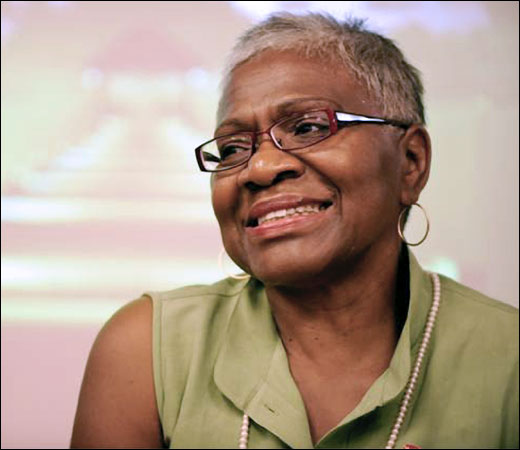
At congressional in October, the National Black Leadership Commission on AIDS (NBLCA) debuted its groundbreaking documentary Many Women, One Voice, about Black women and HIV/AIDS. After the screening, members of Congress, their staffers, employees of AIDS non-profits and HIV/AIDS advocates discussed the importance of Black women's involvement in the leadership of the HIV/AIDS movement.
"I want the history books to record that African American women were on the front lines beating the drum to stamp out HIV and AIDS from the face of the earth," said event co-sponsor Rep. Barbara Lee (D-Calif.), co-chair of the newly formed Congressional HIV/AIDS Caucus. "If we want to get real about ending this epidemic, we need to get real and recognize the critical role women play."
"This video is a new weapon in our arsenal to bring increased attention to the impact on women," said C. Virginia Fields, CEO of NBLCA. Women are left out too much, and it is time for a change, she said. Gilead Sciences co-produced the event.
Many Women, One Voice features Black women from around the country sharing personal stories, challenges and victories that they've experienced while living with HIV. In stirring, emotional and provocative testimonies, the women challenge viewers to imagine themselves in an HIV-positive woman's shoes.
"The prevention, treatment and care needs of women--Black women in particular--continue to be largely ignored in the nation's response to addressing the epidemic," said Fields. "Far too often, women are left out of key public-policy and resource-allocation decisions that directly affect their lives."
The briefing also educated lawmakers about the need to increase women-centered HIV policies and prevention programs. According to the Centers for Disease Control and Prevention (CDC), Black women are impacted disproportionately by HIV, accounting for 57 percent of all new HIV infections among women in 2009. The HIV-infection rate among Black women is 15 times that of White women. Most Black women (85 percent) were infected through heterosexual sex.
Saddled with obstacles such as poverty, poor access to health care and the lack of stable housing and unemployment, many women do not obtain appropriate care and treatment. Worse, few evidence-based, CDC-sanctioned programs are tailored to meet Black women's needs.
During the briefing, NBLCA also promoted its newest initiative, the 30 for 30 Campaign, which marks the 30th anniversary of the HIV/AIDS epidemic, by asking HIV-positive Black women to share their stories in order to increase public awareness among women of color.
Candace Y.A. Montague is the D.C. HIV/AIDS examiner for Examiner.com. She also writes for The Body, emPower Magazine and Capital Community News.