Black AIDS Institute Delegates' Takeaways From the 2015 Conference on Retroviruses and Opportunistic Infections
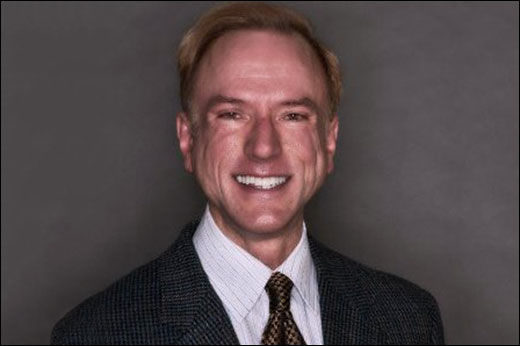
William Larson, Pharm.D., Medication Adherence Pharmacist, Allina Health Uptown Clinic, Minneapolis, Minn.
Although Black Americans are heavily involved in the prevention side of the fight to end HIV/AIDS, there are fewer Black faces advocating for scientific research or enrolling in clinical trials, where many of the dramatic breakthroughs that will usher in an AIDS-free generation have been taking place. At this year's Conference on Retroviruses and Opportunistic Infections (CROI 2015), held in Seattle, new studies were presented about both the hepatitis C cure and ways to make it more accessible. (African Americans make up 22 percent of hep C infections in the United States.) Exciting findings were also presented on pre-exposure prophylaxis (PrEP). (Go here for the final article in a four-part series on the new PrEP findings, along with links to the three other installments.)
This year the Black AIDS Institute sent five delegates from the African American HIV University to CROI 2015. We spoke with three to obtain their perspectives on why more Black Americans should attend the conference.
John Curry, prevention representative for Unconditional Love Inc., in Melbourne, Fla.: "The science literacy surrounding the conference was significantly above the [level of understanding] of many [demographic groups] disproportionately affected with this disease. The breakthrough with PrEP and the hepatitis C cure are the most relevant issues that could make a difference in African American communities. The lack of presence of the African American community presents major concerns, with the rates of infections tripling in this community in comparison to their cultural counterparts. [Increased representation] of this group should have been a focal point for the conference organizers. Having the presenters redialog their presentations for community-level comprehension should be an idea to consider during future conferences."
Rebekah Israel, mobilization manager for the Black AIDS Institute: "One thing that resonated with me personally was from Ambassador [Deborah] Birx, the U.S. global AIDS coordinator and U.S. special representative for global health diplomacy. She discussed how the HIV field has become complacent in [its] successes—so much so that we have stopped telling the stories of people whom HIV affects. She mentioned that it is unacceptable [that] young Black gay men in the South [are being] diagnosed with AIDS, given all the tools we have to prevent disease progression. She challenged the community educators in the room to continue to keep the community involved, to fight efforts to silence people's stories and to hold elected officials accountable."
William Larson, Pharm.D., medication-adherence pharmacist for Allina Health Uptown Clinic in Minneapolis: "We are making great advances in the prevention and treatment of HIV and hepatitis C around the world, but there is more work to be done. African Americans would benefit greatly from the information presented at CROI, such as preventing HIV infection by taking Truvada [PrEP] and the cure of hepatitis C, which is now possible in as few as eight weeks with a single pill. If you ever injected drugs, even once, or if you might have been exposed to someone's blood, even a microscopic trace, you should get a test for hepatitis C."
To learn more about the experiences of Institute delegates, visit their blogs on this year's conference. Also keep an eye on the Events listing of the Black AIDS Weekly newsletter for local town hall meetings that include presentations, speakers, discussions and capacity-building activities for communities nationwide.
Candace Y.A. Montague is an award-winning freelance health writer and health reporter for Capital Community News in Washington, D.C.