All About PrEP: The Key to Prevention
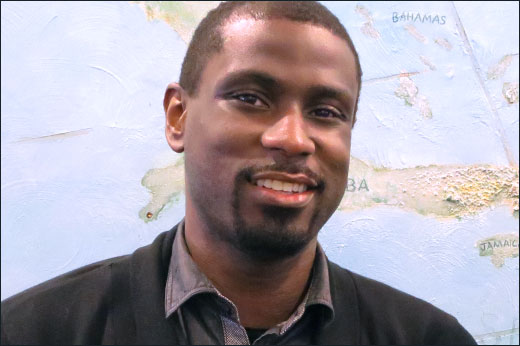
Gerald Garth, HIV Specialist
Prevention is vital to ending the HIV/AIDS epidemic. At the heart of a sound prevention strategy is pre-exposure prophylaxis, or PrEP. A Brown Bag Lunch Webinar held by the Black AIDS Institute in May 2017 provided an overview of how the biomedical prevention tool works as well as information to help clear up any misconceptions.
The first part of the webinar, led by Gerald Garth, former manager of the Institute's prevention-and-care team, explained why PrEP is such a big deal: It prevents HIV from establishing itself in the body, which means it helps an HIV-negative person remain HIV negative.
Statistics show that African Americans aren't benefiting from PrEP to the same degree as members of other races and ethnicities. According to the Centers for Disease Control and Prevention (CDC), 45 percent of new HIV infections in 2015 occurred in African Americans. However, Blacks made up only 10 percent of PrEP users in the U.S. in 2015.
One reason for the discrepancy may be a lack of knowledge about PrEP in Black communities. This webinar was created to bridge the information gap.
How PrEP Works
Currently, the only drug approved for PrEP by the Food and Drug Administration is Truvada, which is a combination of the two HIV medications emtricitabine and tenofovir.
Generally, it takes up to three days after a person is exposed to HIV for the virus to spread in the body. "During this time, PrEP is a tool to stop this infection from happening," Garth explained.
However, in order for PrEP to work, it is critical that the medication is taken as directed. Ideally, one pill should be taken daily; if not, it should be taken at least four times per week, Garth said. In fact, studies show that the more often you take it, the more likely it is to work.
You must also give PrEP a chance to get absorbed into your bloodstream before you are exposed to HIV. In fact, PrEP should be taken at least seven days prior to anal exposure to HIV, and 21 days prior to a vaginal exposure. Although PrEP can reduce the risk of getting HIV, those taking it should still use other protective measures, such as condoms.
PrEP isn't something that you have to take for the rest of your life. If you are not sexually active, you may not need it. But if you know you will be at risk, it is a tool that should be taken advantage of. While using PrEP, you should check in with your doctor every three months for monitoring.
If you're using PrEP and you decide that you don't need it anymore, you're advised to take it for 30 days after your last exposure and talk with your physician before stopping the medication, Garth said.
Who Is a Candidate for PrEP?
The CDC has guidelines for determining who is a candidate for PrEP (pdf), but the Institute makes it simple: If you feel that you are a candidate, then you are.
The CDC says that men who have sex with men should consider taking PrEP if they have an HIV-positive sexual partner, have had a recent bacterial sexually transmitted infection or have a high number of sex partners.
For heterosexuals, the CDC recommends considering PrEP if they have an HIV-positive partner, have had a recent bacterial sexually transmitted infection, have a high number of sex partners or live in an area with a high prevalence of HIV.
For injection drug users, the CDC recommends PrEP if they have an HIV-positive injection partner, share injection equipment, or have had recent drug treatment but are still injecting.
There are some criteria for being clinically eligible to take PrEP:
· You must have a documented negative HIV test.
· You must have no signs or symptoms of acute HIV infection.
· You must have normal renal, or kidney, function.
· You must not be on any contraindicated medications (prescriptions that would interact badly with PrEP).
· You must have a documented status for hepatitis B infection and vaccination.
It is of utmost importance that more people in Black communities take advantage of PrEP in order to protect their health and decrease the spread of HIV. But that might require you to ask your doctor about PrEP or to find a health-care facility that will help you get it. The Black AIDS Institute stands ready to help in that endeavor.
"A lot of doctors and physicians still don't know about PrEP," Garth said. "We are here to support you as a community member being able to advocate for yourself."
Tamara E. Holmes is a Washington, D.C.-based journalist who writes about health, wealth and personal growth.