AIDS 2014: Launching Many Global Challenges
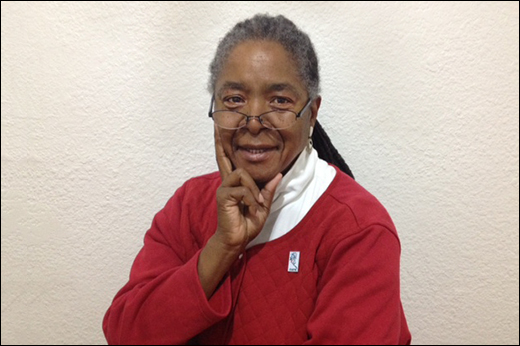
Marsha Martin
A wonderful welcome it has been here in the land down under. And while it is officially winter, Melbourne has warmly greeted us—the global community of persons living with HIV, advocates and activists, researchers, clinicians, policymakers, practitioners, private industry representatives and government officials—to the 20th International AIDS Conference (AIDS 2014). From plays, art exhibits, and special events to red firework displays, red-lighted buildings and red larger-than-life AIDS 2014 signage throughout the city, Melbourne has embraced both the conference and its participants.
Themed "Stepping up the Pace," AIDS 2014 has launched many challenges: Can the global research and activist communities engage in meaningful conversations about a cure? Can the global response make as a priority putting 20 million people on treatment by 2020? And can the global community achieve 90 x 90 x 90—that is, increase the proportion of people with HIV who know their diagnosis to 90 percent, increase the proportion of people receiving antiretroviral treatment (ART) to 90 percent, and increase the proportion of people under treatment who have an undetectable viral load to 90 percent by 2030? AIDS 2014 is the place where answers to these and other questions are to be found.
The Conference has created wonderful spaces for community and science to come together, explore ideas and experiences about what works, what does not work and why. They include the Global Village where NGOs/ASOs gather to dialogue; the Exhibition Hall where clinicians, scientists, industry and government meet to introduce their latest; the Marketplace of goods and ideas serving as a fundraiser for non-profit vendors; myriad satellite sessions on important and related topics; and a citywide listing of cultural events all themed to HIV/AIDS. Melbourne has it all.
I have had the privilege of participating in International AIDS Conferences since 1998. That year AIDS 1998 was held in Geneva, Switzerland, a city with similar socioeconomic and political sensibilities. The theme, "Bridging the Gap," suggested there were many challenges in building an effective response. The identified gaps included: gaps in treatment between wealthy and poor, gaps in power and autonomy between men and women, gaps between governmental authorities and civil society. In the intervening years much has been accomplished, shared and learned about the gaps and how to address them. And much remains to be done.
Like AIDS 1998 in Geneva, when a commitment was made to make life-saving medicines available to all who need them, AIDS 2014 in Melbourne will be known as the conference where and when the global community agreed to step up the pace by accelerating cure research, discussing and agreeing to ambitious testing and treatment targets and integrating the local HIV response within the rights based framework of the Melbourne Declaration. That is to say, "non-discrimination is fundamental to an evidence-based, rights-based and gender transformative response to HIV and effective public health programs...and...a commitment to fairness, to universal access to health care and treatment services, and to support the inherent dignity and rights of all human beings. All people are entitled to the rights and protections afforded by international human rights frameworks. An end to AIDS is only possible if we overcome the barriers of criminalization, stigma and discrimination that remain key drivers of the epidemic."
Marsha Martin is Director of the Urban Coalition for HIV/AIDS Prevention Services (UCHAPS) in Washington, DC.