BTAN Melbourne Post-AIDS 2016 Update: Putting HIV/AIDS Solutions Into Action
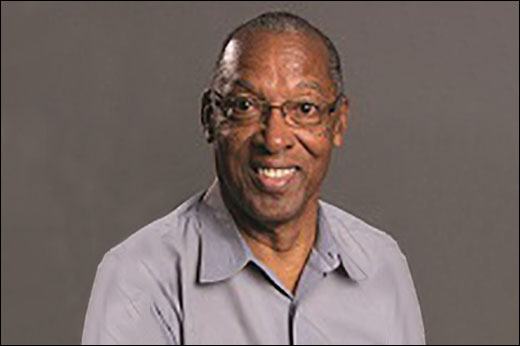
Ronald Cathcart, M.D., AAHIVS, is a staff physician at Comprehensive Health Care in Melbourne, Florida
One in a series of local-community updates on the 2016 International AIDS Conference, held in Durban, South Africa, this summer.
When it comes to fighting the HIV/AIDS epidemic, it's time for the rubber to meet the road, said participants at an AIDS 2016 Update event held in Melbourne, Fla., on Oct. 1. Talking about solutions only goes so far; application is critical to success.
"Community members expressed great interest in the content and the need to apply some of the strategies," says Chi Huynh, mobilization coordinator for the Black AIDS Institute.
The discussion was one of several events hosted by the Institute across the country to inform Black communities about the research and advances that came out of the 21st International AIDS Conference in Durban, South Africa, in July 2016. The Melbourne chapter of the Black Treatment Advocates Network (BTAN) organized the event. A number of local partners and national organizations took part, including representatives from pharmaceutical company Gilead Sciences, Delta Sigma Theta Sorority, HIV/AIDS organization Project Response, the Brevard County School District and the advocacy organization Children's Home Society of Florida.
Panelists and those on the front lines of HIV/AIDS advocacy work were impressed by the interest and level of engagement expressed by the program's participants, as well as their interest in putting new solutions to work in the community. "The attendees were very animated and asked us a lot of great questions," says Ronald Cathcart, M.D., a physician who practices at Comprehensive Health Care, a Melbourne-based health clinic. There was a strong desire to keep the information flowing to create a healthier community.
The International AIDS Conference is the premier gathering for people working in the field of HIV, including policymakers, researchers and people living with HIV/AIDS. The goal of the conference is to assess where we are when it comes to fighting the HIV/AIDS epidemic, determine what the most pressing needs are and come up with a plan to move forward.
In Black communities, one of the most pressing topics is the uptake of pre-exposure prophylaxis (PrEP) and the importance of getting more people to know about and use PrEP. While more and more people are learning about and using PrEP, racial disparities remain. According to a survey from Gilead, 74 percent of those who filled PrEP prescriptions were White, compared with only 10 percent who were Black. Yet Black Americans have the highest rates of HIV/AIDS infection in the country.
Attendees of the Melbourne post-event also talked about topics such as stigma's impact on Black communities. Often a fear of rejection can keep people from openly talking about HIV/AIDS, which in many cases then prevents people from learning about the latest scientific tools that are around to help fight it. One way to address stigma is by engaging the faith community in the fight against HIV/AIDS. Several significant activities about faith took place at the International AIDS Conference. Among them were the Interfaith Pre-Conference at AIDS 2016 and the Black AIDS Institute's Faith Webinar and Faith Breakfast Update.
An "Each One, Teach One" Approach
Members of the Melbourne community took responsibility for ensuring that the AIDS Update event fulfilled its intended goal. Many participants vowed to spread the message shared at the forum and embraced the "each one, teach one" approach used to bring back information from Durban.
"Through this program, the Black AIDS Institute and BTAN ensured that the critical information relayed at the International AIDS Conference was brought back and disseminated to communities of color in Florida and across the United States," says Lindsay Kincaide, community development coordinator at the Hope and Help Center of Central Florida.
"Knowledge is power and it must be shared," Kincaide adds. "This is exactly what the presentations facilitated."
Tamara E. Holmes is a Washington, D.C.-based journalist who writes about health, wealth and personal growth.